

How to generate a secure PIN (4 digits isn't enough)
A 4-digit PIN has 10,000 combinations. Learn how to choose a random PIN and how MoolKey derives one without storing it.
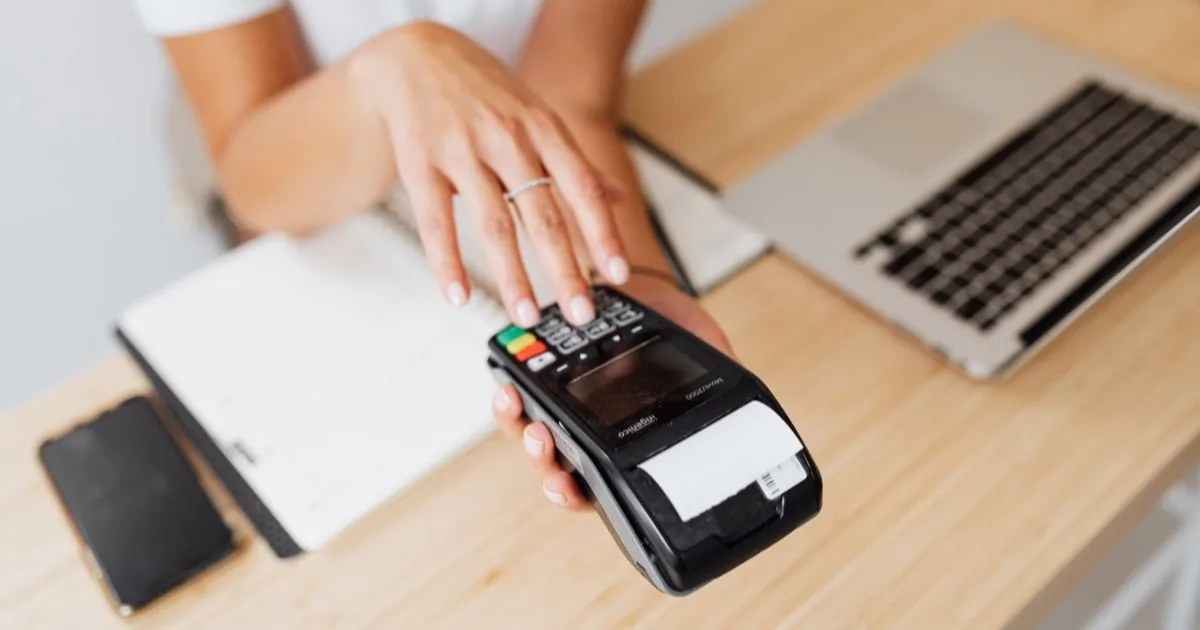
PINs guard a surprising amount of your life: phones, SIM cards, bank cards, door locks, hardware wallets. And almost everyone picks one the same lazy way, a birthday, a repeat, or 1234. Attackers know this better than you do.
A secure PIN is randomly chosen and long enough to resist guessing. A 4-digit PIN has only 10,000 possibilities, and people cluster on a tiny handful of them, so attackers try those first. Use six digits or more wherever you’re allowed, choose them at random rather than from memory, and never reuse a PIN that protects something that matters.
Why 4 digits isn’t enough
Four digits means 10,000 combinations, and the real number people use is far smaller. Year after year, analyses of leaked PINs find 1234, 0000, 1111, and four-digit years near the top of the list. That predictability is the problem: a guesser doesn’t try all 10,000 at random, it tries the popular few hundred first.
Rate limiting helps: a phone that locks after ten tries makes online guessing slow. But predictability plus reuse undermines even that, and not every system throttling is as strict as your phone’s.
What “random” actually means
You cannot pick a random number in your head; you’ll reach for something meaningful, which is exactly what’s guessable. Real randomness has to come from outside your brain: dice, a hardware random number generator, or a tool built for it.
And length compounds fast. Each digit you add multiplies the search space by ten: six digits is 1,000,000 combinations, eight digits is 100,000,000. Adding two digits does more for you than any clever pattern ever will.
How MoolKey derives a PIN
MoolKey generates PINs the same deterministic way it generates passwords. From your master key plus the account you’re securing, run through 600,000 rounds of PBKDF2-SHA256, it produces a random-quality PIN that is:
- Unique per account, so your bank card and your SIM don’t share a number.
- Recomputable on demand, so you never have to store or sync it.
- Never written down, because, like every MoolKey secret, there’s nothing kept to leak.
One honest caveat: when a system fixes the length (a 4-digit bank PIN, say), the entropy is capped by that length no matter how it’s generated. There, randomness plus the system’s own lockout limits are doing the work. MoolKey makes the PIN unpredictable; the issuer’s rate limiting handles the rest.
When a PIN is the wrong tool
A PIN is a short numeric secret, usually backstopped by hardware lockouts. That’s perfect for unlocking a device or a SIM. It is not a substitute for a full password or a passkey on a high-value online account: there, use a long derived password or a passkey instead. Match the secret to the threat.
In short
- 4 digits = 10,000 combos, and people pick from a predictable few.
- Randomness matters more than any pattern; six-plus digits is far stronger.
- Never reuse a PIN that protects something important.
- MoolKey derives unique, random-quality PINs you never have to store.
Frequently asked questions
Are 4-digit PINs safe? Only when paired with strict lockouts and a genuinely random choice. The 10,000-combination space is small, and human-picked PINs cluster on a predictable few, so a non-random 4-digit PIN is weak on its own.
What is the most secure PIN length? Longer is better: use six digits or more wherever the system allows it. Each extra digit multiplies the possibilities by ten, so moving from four to six digits turns 10,000 options into a million.
Should I use the same PIN everywhere? No. Reuse means one leaked or shoulder-surfed PIN unlocks several things at once. Give each device or card its own, which is trivial when a tool derives a unique one per account for you.
Can a password manager generate PINs? Most don’t, but MoolKey does. It derives numeric PINs deterministically from your Master Key, the same way it derives passwords, so each is unique and the generated result is not stored by MoolKey.
Stop reusing 1234. Derive a unique PIN and password for every account, with nothing kept behind.
Keep reading
 Product
Why we built a password manager without a vault
Every vault is a target. We took a different bet: do not store generated passwords, and recompute each one from a Master Key you already keep in your head.
 Product
What happens if your password manager shuts down?
Companies fold, get acquired, or sunset apps. If your password manager vanished tomorrow, could you still log in? How to avoid lock-in by design.